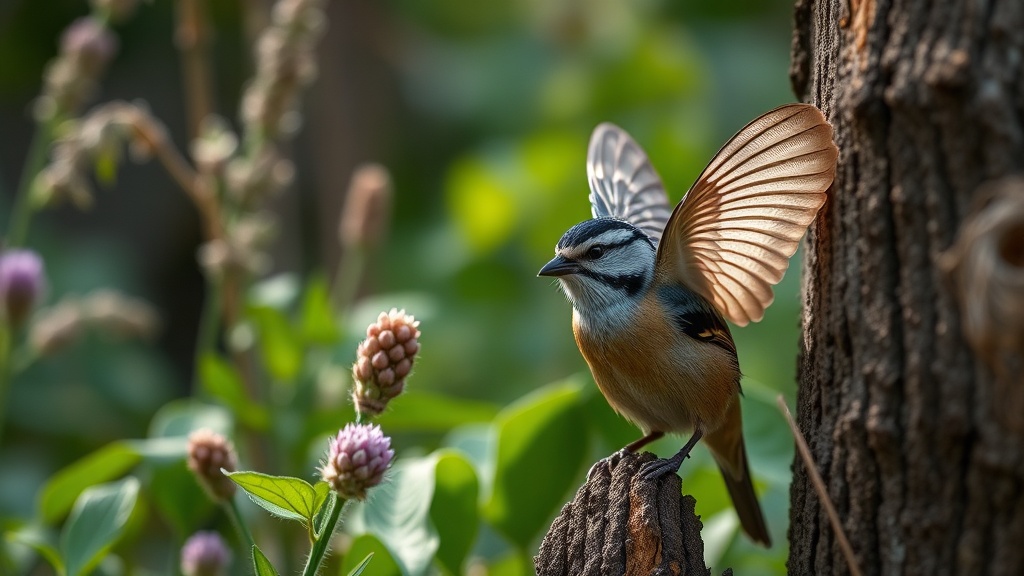
Getting Your Backyard Ready for Local Wildlife

Are you wondering how to attract more birds or perhaps how to keep the deer from eating your prize hydrangeas? This guide explains how to design a backyard that works in harmony with the local wildlife found here in Northern Ontario. We'll look at way to provide food, water, and shelter while keeping your property safe and manageable.
How Can I Attract More Songbirds to My Backyard?
The best way to attract songbirds is to provide a reliable source of high-quality food and fresh water throughout the year. Birds in our region—like the Black-capped Chickadee or the Blue Jay—need specific nutrients to survive our harsh winters. If you provide a consistent food source, they'll likely make your yard a regular stop.
First, consider the type of feeder you use. Different birds have different beak shapes and feeding habits. For example, a Nycker-style feeder works well for finches, while a heavy-duty suet feeder is perfect for woodpeckers. If you want to attract the more robust species, look for feeders made by brands like Drovers or Squirrel Buster—they're designed to prevent smaller birds from competing with larger ones.
Don't forget the water. A simple birdbath can be a huge draw, especially during the dry spells we sometimes see in the summer. Just make sure it's easy to clean. If the water gets stagnant, it can breed bacteria or mosquitoes. A small solar-powered fountain can help keep the water moving, which is a big plus for birds who prefer moving water over still pools.
- Black-capped Chickadee: Loves suet and sunflower seeds.
- American Goldfinch: Prefers Nyjer (thistle) seeds.
- Downy Woodpecker: Highly attracted to suet blocks.
- Cedar Waxwing: Loves berries and fruit-based treats.
One thing to keep in mind: feeding certain birds can attract unwanted guests. If you're hanging a heavy suet block, a local squirrel might decide it's their buffet too. Using a Squirrel Buster feeder is a smart move if you want to keep the birds happy and the squirrels away.
What Should I Plant to Help Local Wildlife?
Planting native Ontario species is the most effective way to create a habitat that supports local pollinators and small mammals. Native plants are already adapted to our soil and climate, meaning they require less maintenance and provide the exact nutrients local wildlife needs.
When you head to a local nursery, look for plants that are indigenous to the Temiskaming District or Northern Ontario. Instead of buying exotic-looking ornamentals that don't offer much, go for things like Serviceberry (Amelanchier) or Wild Bergamot. These provide much more than just a pretty face; they offer nectar for bees and berries for birds.
Think about the layers of your garden. A good habitat has ground cover, shrubs, and canopy trees. This creates "vertical structure," which gives animals different places to hide or hunt. If you have a large backyard, a single large tree like a White Pine can act as a hub for dozens of species.
Here is a quick breakdown of what to plant for different benefits:
| Target Wildlife | Recommended Plants | Benefit |
|---|---|---|
| Pollinators (Bees/Butterflies) | Milkweed, Wild Bergamot | Nectar and host plants |
| Songbirds | Serviceberry, Elderberry | High-energy berries |
| Small Mammals | Native Grasses, Shrubs | Shelter and nesting |
| General Wildlife | Oak or Maple Trees | Acorns and nesting sites |
It's worth noting that even a small garden patch can make a difference. You don't need a massive forest to help out. Even a few pots of native wildflowers on a porch can support a local bee population. (And let's be honest, it looks better than a plastic garden gnome anyway.)
How Do I Keep Deer Out of My Garden?
You can deter deer by using physical barriers, scent repellents, or by choosing deer-resistant plants. In Northern Ontario, deer are often quite bold, and if they find a tasty snack in your garden, they'll keep coming back until they're stopped.
The most effective physical barrier is a fence. However, a standard garden fence won't do much against a deer; they can easily jump over almost anything under six feet. If you're serious about protection, you'll need a sturdy, high fence or a specialized electric fence. If you're just looking for a minor deterrent, certain scents can help. Products like Deer Out or even much older methods like human hair or crushed eggshells are often used, though their effectiveness varies.
The easiest, most long-term strategy is choosing plants they won't eat. Deer tend to avoid plants with fuzzy leaves, strong scents, or prickly textures. Lavender, Peony, and Foxglove are generally safe bets. If you've already planted things they love, like Hostas, you'll need to act fast before they strip them bare.
If you're worried about your garden being destroyed during the winter, remember that deer are still looking for food when the snow gets deep. This is why keeping your yard tidy and managing your woodpiles is important. If you're interested in how cold affects your property, check out my post on keeping water flowing during winter, as the same principles of protection apply to your outdoor structures.
How Much Does it Cost to Build a Wildlife Habitat?
The cost of creating a wildlife-friendly backyard varies wildly depending on whether you're buying new plants or simply modifying what you already have. You can start with a very low budget by simply adding a birdbath and a few native seeds, or you can invest heavily in a complete landscape overhaul.
A low-cost approach might involve:
- Collecting seeds from local plants.
- Building a simple bird feeder from scrap wood.
- Leaving some leaf litter in the fall to provide winter habitat.
A more intensive approach might involve:
- Buying mature trees and shrubs from a nursery.
- Installing a permanent water feature or pond.
- Putting up high-quality deer fencing.
Don't feel like you have to do everything at once. In fact, I'd suggest starting small. If you try to landscape the whole yard in one weekend, you'll likely end up frustrated and broke. Start with one corner of the yard. Maybe it's just a small patch of milkweed for the butterflies. Over time, these small additions will build up into a thriving ecosystem.
For more detailed information on local species and conservation, I highly recommend checking out the Ontario Ministry of Natural Resources website. They provide great data on the animals we share our space with. You can also look at Wikipedia's guide on wildlife gardens to see how these principles work globally.
Remember, the goal isn't to create a perfect, manicured museum. It's to create a living, breathing space that can support the creatures around us. Whether it's a bird, a bee, or a deer, a little bit of planning goes a long way in making your backyard a welcoming place.
Steps
- 1
Set up a feeding station
- 2
Provide a water source
- 3
Create natural shelter
- 4
Avoid harmful chemicals