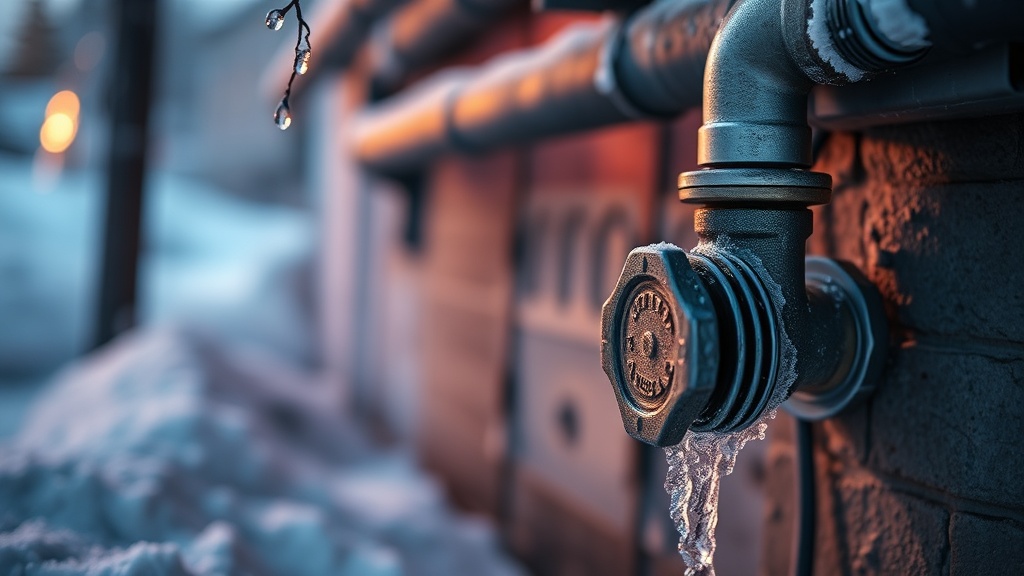
Why Your Pipes Freeze and Keeping the Water Flowing This Winter

Ever woken up to a dry faucet when the thermometer hits -30°C? This covers the simple steps to keep your plumbing from turning into a block of ice during our legendary northern winters. Since we deal with extreme cold for months, keeping the water moving is about avoiding a massive repair bill—and a lot of stress.
Where should you check for drafts first?
Most pipe issues start in the basement or the crawlspace where the wind whistles through small gaps. You'll want to check the rim joists (the area where the house frame meets the foundation) for any air leaks. Even a tiny hole can let in enough sub-zero air to freeze a copper line in minutes. Stuffing some insulation or using spray foam—make sure it's the right type for the job—can make a huge difference.
- Rim joists and foundation sills
- Electrical entry points
- Dryer vents and outdoor taps
Checking these spots is part of basic home maintenance, but it's often overlooked until the ground freezes solid. For more on sealing your home,