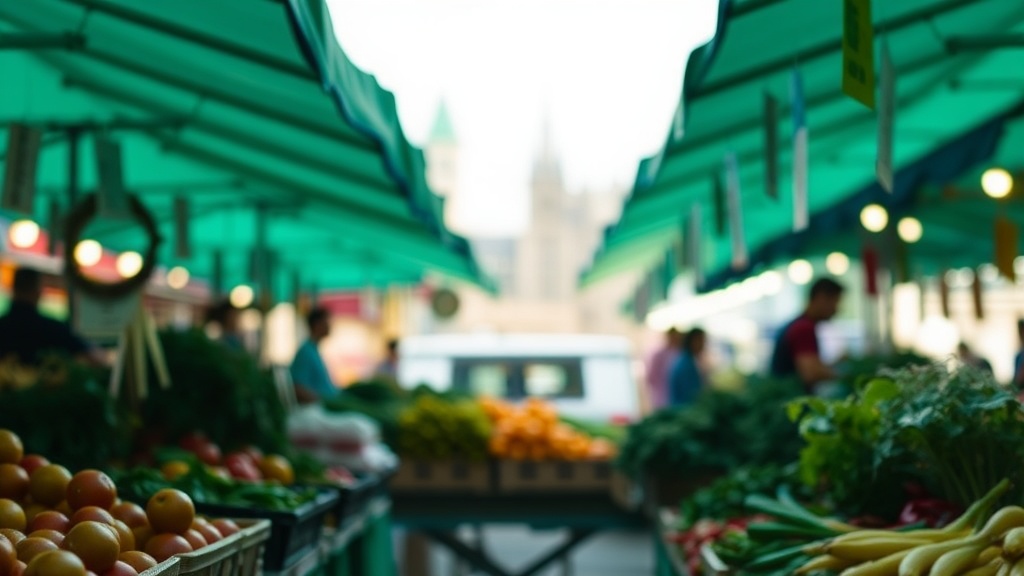
Finding Hidden Gems in Our Local Farmers Markets

You walk into the market on a Saturday morning, and the smell of fresh-baked sourdough hits you before you even see the stalls. You're looking for more than just a bag of carrots; you want that specific, deep flavor that you can't find in a plastic-wrapped tray from a big-box grocery store. This post breaks down how to find the best seasonal produce, artisanal goods, and high-quality proteins at our local farmers markets in the Timiskaming District and surrounding Northern Ontario regions. Knowing where to look and what to ask for makes a massive difference in the quality of your weekly grocery haul.
Finding high-quality local goods requires a bit of strategy and a lot of direct communication with the producers. Most people just grab what's in front of them, but the real treasures are often tucked away or seasonal.
Where Can I Find the Best Seasonal Produce in Northern Ontario?
The best seasonal produce is found by visiting local farmers markets during the peak harvest months of July through September. While our growing season is shorter than in Southern Ontario, the quality of what comes out of the ground here is incredible when the timing is right. You'll find much better results if you track the local growing cycles rather than expecting strawberries in May.
If you want to see the official standards for food safety and production in our province, you can check the Ontario Ministry of Agriculture, Food and Rural Affairs website. They provide a lot of context on how local farming works in our specific climate.
When you're out there, look for these specific items that define the Northern Ontario season:
- Early Summer: Snap peas, radishes, and baby greens.
- Mid-Summer: Heirloom tomatoes, sweet corn, and berries.
- Late Summer/Early Fall: Root vegetables like beets and carrots, plus hardy greens.
Don't be afraid to ask a vendor when they harvested their greens. If they say "this morning," you've hit the jackpot. It's a small detail, but it's why local food tastes better—it hasn't spent five days in a refrigerated truck crossing provincial lines.
One thing to keep in mind is that our weather is unpredictable. A late frost can change the entire market lineup for a month. (I've seen it happen more than once in the Temagami area.)
How Much Do Local Farmers Market Goods Actually Cost?
Local market prices generally run slightly higher than big-box retailers because you are paying for freshness and supporting small-scale operations. While a carton of eggs might cost a dollar or two more here than at a discount grocer, the nutritional density and lack of preservatives often justify the price. You aren't just buying a product; you're investing in the local economy.
To help you budget, I've put together a quick comparison of what to expect when shopping at a market versus a standard grocery store.
| Item | Standard Grocery Store (Avg) | Local Market (Avg) | The Benefit |
|---|---|---|---|
| Organic Eggs | $5.50 / dozen | $7.00 / dozen | Better yolk color and freshness. |
| Heirloom Tomatoes | $3.00 / lb | $4.50 / lb | Actual flavor, not just water and acid. |
| Local Honey | $8.00 / jar | $12.00 / jar | Unfiltered and much more potent. |
The trade-off is worth it for me. I'd rather buy one high-quality jar of local honey than three mediocre ones. It's a different way of thinking about consumption. If you're interested in how these small choices affect our region, read about the local advantage of community-driven choices.
What Should I Look for in Artisanal Goods?
High-quality artisanal goods are defined by small-batch production and transparent ingredient lists. When you're looking at jams, breads, or cheeses, you want to see items that have a clear origin. If a vendor can tell you exactly which farm their milk came from, that's a green flag.
I always look for three specific things when browsing the non-produce stalls:
- Minimal Processing: The less "stuff" in the ingredients, the better.
- Packaging: Look for glass or compostable materials rather than heavy plastics.
- Texture and Aroma: For things like bread or cheese, the scent should be unmistakable.
For example, if you're buying sourdough, it shouldn't just look like any loaf. It should have a thick, crunchy crust and a chewy center. If it smells slightly tangy, it's a good sign the fermentation process was handled correctly. It's a sensory experience that a supermarket simply can't replicate.
It's also a great time to grab things like handmade soaps or local maple products. These are much more durable than fresh produce and make excellent gifts. If you're looking to get your home ready for the seasons, you might want to check out preparing your garden for a northern Ontario spring to see how the local cycle begins.
The catch? These goods often sell out fast. If there's a specific baker or cheesemaker you've heard about, get to the market early. The best stuff is usually gone by 11:00 AM.
A quick tip: Always bring your own reusable bags. It's not just better for the environment—it's much easier to carry heavy items like potatoes or jugs of cider if you have sturdy, reliable bags. Most vendors appreciate it, too.
Don't forget to check the weather before you head out. A rainy morning might mean a smaller selection, but it also means fewer crowds. Sometimes the quietest markets are the most rewarding because you actually have time to talk to the farmers. That conversation is where the real knowledge lives. They can tell you exactly how to cook that specific variety of squash or how long it will last in your pantry.
I've found that the most interesting part of the market isn't even the food. It's the people. You'll meet people who have been farming this land for decades. They know the soil, the frost patterns, and the local pests better than any textbook ever could. Engaging with them turns a simple chore into a way to connect with the history of our area.
Whether you're looking for a specific ingredient for a recipe or just want to support a neighbor, the local market is the place to do it. Just remember to bring cash—many smaller vendors still prefer it, even if they take cards. It's a small gesture that keeps things moving smoothly.